
what are the ways in which a well-executed CSR strategy can make a positive difference ?
The phrase "end poverty in all its forms everywhere" or "eliminate poverty" is a lofty and ambitious goal often associated with the United Nations' Sustainable Development Goal 1 (SDG 1). This goal aims to ensure that by 2030, no one should live in extreme poverty, defined as living on less than $1.90 per day. It's part of a broader agenda to promote sustainable development and improve the well-being of people worldwide.
Ending poverty is a complex and multifaceted challenge that involves addressing various factors, including economic inequality, access to education and healthcare, social safety nets, job opportunities, and more. Governments, international organizations, NGOs, and individuals all play a role in working toward this goal.
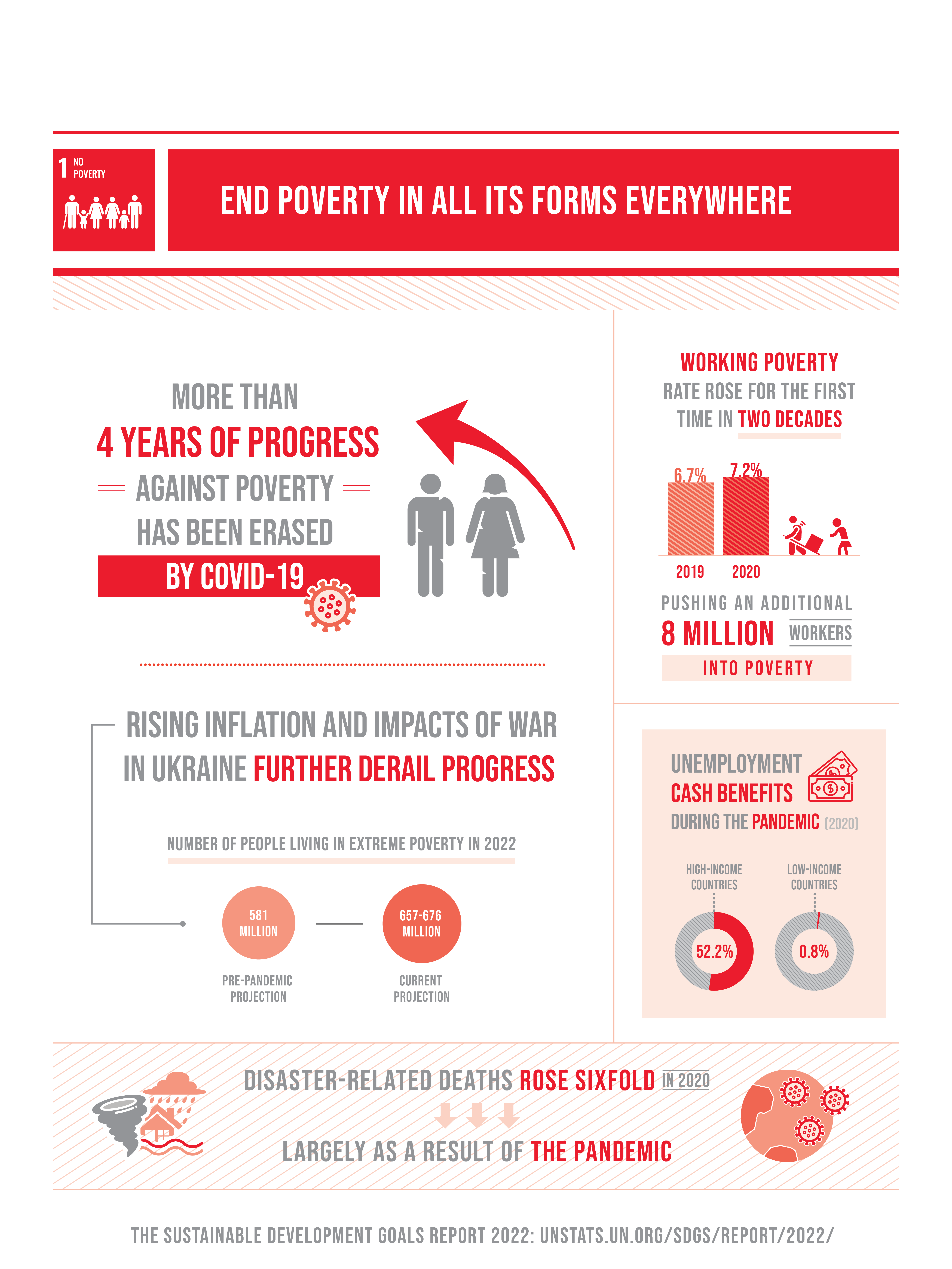
Efforts to eliminate poverty typically involve strategies such as:
1. Economic Growth: Promoting sustainable economic growth that generates jobs and income opportunities for all.
2. Social Safety Nets: Establishing and strengthening social safety nets, such as welfare programs, to protect vulnerable populations.
3. Education: Ensuring access to quality education, which can improve job prospects and economic mobility.
4. Healthcare: Providing access to affordable healthcare services to reduce the impact of health-related costs on households.
5. Gender Equality: Addressing gender disparities, as women and girls are often more vulnerable to poverty.
6. Sustainable Development: Promoting sustainable practices that ensure resources are managed efficiently and equitably.
7. Global Cooperation: Encouraging international collaboration to address global poverty challenges.
While it's a challenging goal, significant progress has been made in reducing global poverty over the years. However, many regions and communities still face poverty-related issues, and there is much work to be done to achieve the goal of ending poverty in all its forms everywhere. It requires the commitment of governments, businesses, and individuals working together to implement effective policies and initiatives.
Would you like to share your thoughts?
Your email address will not be published. Required fields are marked *
2 Comments